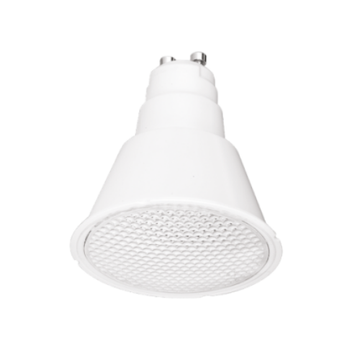
Low Energy Bulbs ~ Energy Saving Bulbs ~ Energy Efficient Bulbs ~ GU10 ~ Low Energy GU10 ~ Megaman Lightbulbs ~ Light Bulbs
Energy Bulbs ~ Buy Low Energy Bulbs Online
Items in Cart: Value: :: View Cart :: Checkout


Low Energy Bulbs ~ Light Bulbs ~ Light Fittings

Welcome to Energy Bulbs, the No.1 online supplier of low energy bulbs, energy saving bulbs, energy efficient bulbs, GU10 bulbs, low energy GU10 light bulbs, Megaman lightbulbs, halogen bulbs, fluorescent tubes and outdoor lighting.

Why Buy Low Energy Bulbs?


We've all heard of climate change and the need to do our bit for the environment. And with the rising cost of electricity there has never been a better time to switch to low energy bulbs.


Also known as energy saving bulbs, eco bulbs or energy efficient light bulbs, low energy bulbs not only last longer, they use much less electricity which means you save money!


Check out our energy savings calculator to find out how much money you could save by switching to low energy bulbs >>


Low Energy Light Bulbs - how to save with CFLs


What are Compact Fluorescent Lamps (CFLs)?


There are many common names such as Low Energy Light Bulbs, Energy Efficient, Energy Saving bulbs, Eco Bulbs the list is endless but they all refer to the same products.

Low energy bulbs (CFLs) are a modern type of light bulb that will fit into a standard light fitting, usually a bayonet fitting in the UK, but CFLs are also available with Edison screw fittings.


Most Low energy light bulbs either consist of a number of short glass sticks, or two or three small tubular loops. Sometimes, these are enclosed in a glass bowl or made to look like a traditional bulb.


There are also some older CFLs that look light a clear or white glass jam-jar and are much heavier, but these are less efficient and are not recommended. CFLs work in much the same way as a fluorescent strip light: the inside is coated with a phosphor that gives off the light and there is an electronic ballast to start the lamp operating.


CFLs are often called low energy lamps because they use less energy than the traditional tungsten filament bulbs that they replace. As they plug in directly to the normal light fittings they work off the UK's standard 230V supply and should not be confused with low-voltage lamps which do not offer significant energy or cost savings.


What wattage CFL should I buy?


Compact Fluorescent Lamps are sold by the wattage, in much the same way as normal bulbs. However because they use a lot less energy, a lower wattage bulb will be needed to give out the same amount of light.


So how do the low energy bulbs save money?


Although CFLs cost more to buy, they save money because they use less electricity.


The cost of a low energy light bulb can be as low as £3 and they are now available in most retail stores or online suppliers. As the CFL will typically last for a total of 8,000 hours and on the higher brands such as Megaman as long as 15,000 hours the savings over its lifetime could reach £90!


Compact Fluorescent Lamps are best used in areas with a fairly high usage. If a light is used for an average of 3 hours per day over the year (perhaps 1 hour in mid-summer and 5 hours in winter), then it would pay for itself in less than a year. On the other hand if it was only used for an hour a day on average, it would take 2½ years to recover the initial cost.
We also advise people to use well-known brands of CFLs from a reputable store. There were some cheaper lamps, often made in the Far East, that lasted less long. Although it was still possible to make some savings with these bulbs, they often proved to be a false economy.


Should I leave CFLs on when I leave a room to keep saving money?


No! There used to be a general belief that because fluorescent strip lights used more power in their warm-up phase, then it was better to leave them on all the time. This was never true - an old style strip light (or non-electronic CFL) only uses as much energy in the warm-up phase as it does whilst operating for a minute or so, and modern electronic ballast CFLs use even less energy at the start. Although CFLs do not use much electricity it is still best to keep them switched off when not wanted - why throw money away on anything that not needed?


How can I be sure that energy bulbs do last longer than old-style bulbs?


The Government's Market Transformation Unit has tested1 several leading brands of CFLs and conventional, tungsten bulbs. It found that, generally, around 8 of 10 bulbs of either type exceed the median (average) life stated on the box. Specifically, at least 90% of bulbs from all brands of CFLs with a claimed average life of 6,000 hours or less exceeded this average life. Even where much longer lives were claimed - of 12,000 to 15,000 hours - over 70% of bulbs exceeded the claimed average life. So the overall conclusion was the CFLs do really last - on average - at least as long as the life stated on the box.


When the same team tested conventional bulbs they found a similar result for bulbs that were claimed to last for in excess of 1,000 hours - these bulbs typically lasted for 1,150 hours. Cheaper tungsten filament bulbs, that did not claim to be long life, still met their manufacturers' claims, but rarely lasted for more than about 900 hours and some brands only lasted for 600 hours on average.


This testing means that you CAN believe the claims on the boxes. What is more, it confirms that even the cheapest energy saving CFLs will typically last for 5,000 hours of use, compared to only just over 1,000 hours on average for the best conventional bulbs.

The same team tested the energy efficiency ratings of the bulbs as well. All bulbs were within one grade of the measured efficiency.


Are low energy lights the same as low voltage lamps?


No, Low voltage lights are usually small bright halogen bulbs, often needing a transformer to work. They are commonly used in kitchens where they give a bright narrow beam, often requiring several lights on a single unit. Although each halogen bulb uses less power than a conventional light bulb, they use a great deal more than low energy bulbs and if several halogen bulbs are used, they will use more energy in total than conventional lights.


© 2007 Energy Bulbs, Specialists in Low Energy Bulbs & Energy Saving Bulbs

Ecommerce Web Design by matrix23

Low Energy Bulbs Sitemap

Low Energy Bulbs ~ Energy Saving Light Bulbs ~ Energy Efficient Light Bulbs ~ GU10 ~ Low Energy GU10 Lightbulbs ~ Megaman Lightbulbs ~ Light Bulbs

Energy Saving Trust Website